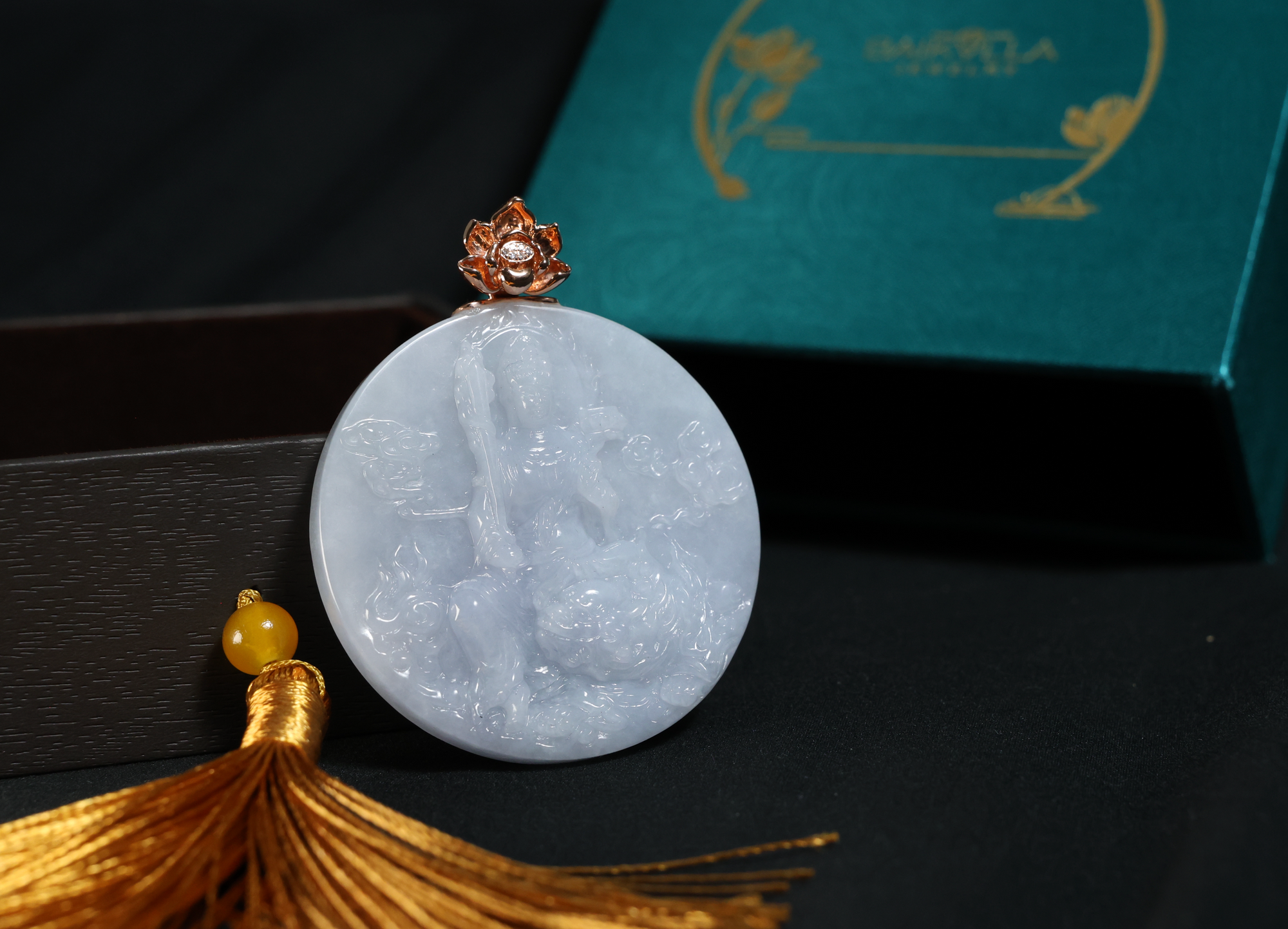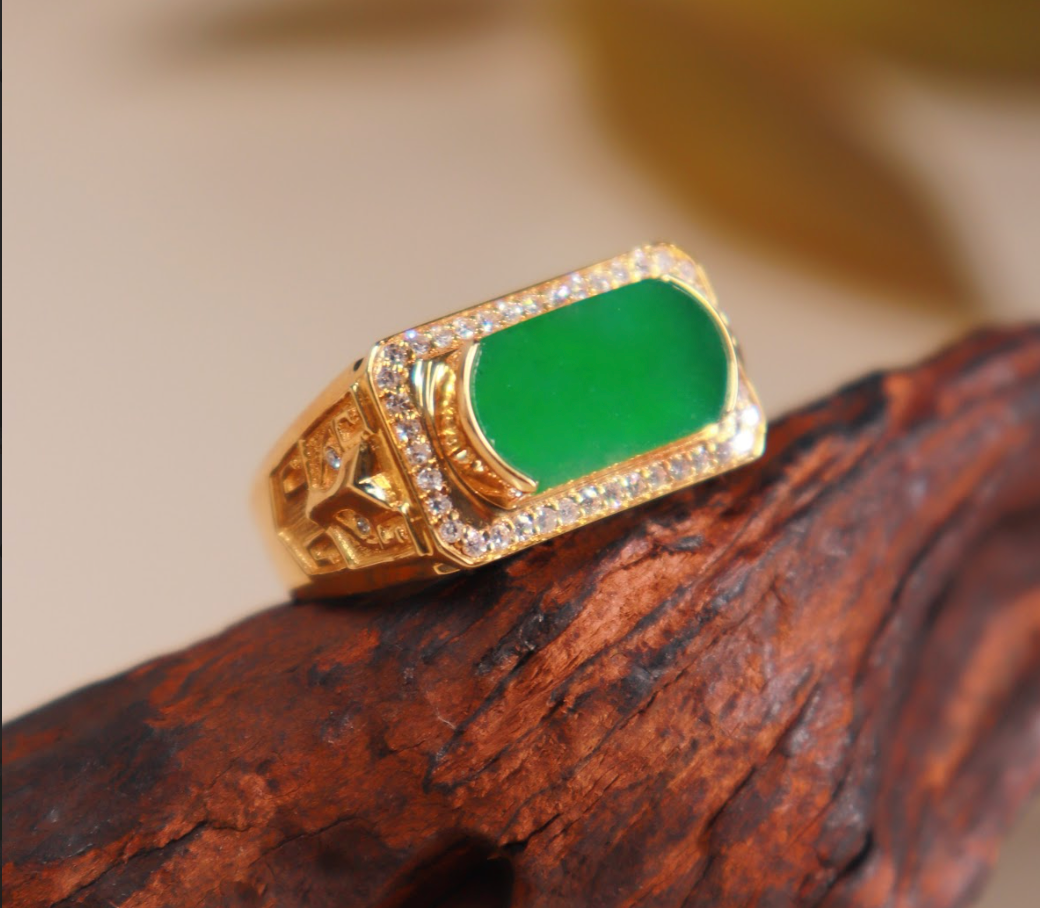
Jade is a beautiful gemstone that, depending on its quality, can be very valuable. But because of this — and the general lack of knowledge surrounding jade — the market is unfortunately flooded with fake and treated jade.
This guide will help you understand the most common types of imitation jade, recognize red flags, and make informed purchases so you don’t get scammed when buying jade.
Treated Jade
The most common form of “fake” jade is very low quality, reject-pile jade that failed to pass the gemstone standard (Worth close to nothing) that's been treated to mimice the looks and value of high quality jade. The proper term for this is Type B, C or B+C Jade (some sellers use the term “Grade,” but authentic certificates use “Type”)
On its own, this jade would hold little to no value. To make it look more desirable, it undergoes intensive chemical treatment involving:
-
Acid bleaching to remove stains and inclusions, which leaves small holes in the structure.
-
Polymer impregnation to fill those gaps, improving translucency and stability.
-
Dyeing to create bright, neon greens or lavenders that mimic fine jadeite.
However, these processes damage jade’s natural crystal structure, making it less durable and no longer considered natural, Type A jade.
[Watch our quick breakdown of the process here]
🔍 Red Flags:
- Bright, neon-like colors (especially “Imperial green” bangles sold under $500).
- Fluorescent glow under UV light.
- Dull or “flat” sound when tapped [Listen to the sound difference]
Agate (Dyed or Natural)
Agate is often sold as jade because it’s plentiful and easy to dye, but you can identify it through its distinct differences:
-
It tends to be lighter and sounds glassier or more “hollow” when tapped.
While agate is a genuine gemstone, it’s not jade. Due to the difference in rarity, even fine agate is still usually less valuable than medium-quality jade.
🔍 Red Flags:
-
Visible wavy patterns.
-
Hollow, glass-like sound [Listen to the sound difference]
Quartz and Dyed Quartzite
Quartz and quartzite are also frequently passed off as jade. They can appear translucent and glassy, but their structure and texture are very different.
-
Dyed quartz often shows uneven or patchy color zones, especially near the surface.
-
It has a glassy luster and lacks jade’s signature fibrous texture.
-
The sound is slightly flat or plastic-like when tapped.
Jade’s interlocking microstructure makes it tough and resistant — something quartz simply doesn’t replicate.
💡 Red Flag: Overly bright green or yellow tones that seem to sit on the surface, especially if the stone feels light or fragile.
Intentionally Misleading Marketing
The jade market can be confusing and sometimes, even sellers don’t know what they’re selling. But deceptive marketing is common, so here’s what to watch for:
1. Using “Jade” as a Color
Listings that say “Green Jade Pendant” or “Jade Stone Bracelet” may actually list chalcedony or quartz under material details. Many buyers don’t catch this in the fine print.
2. Misleading Names
Terms like “Chalcedony Jade” or “Imperial Green Jade Chalcedony” are designed to sound authentic, but chalcedony is a type of quartz, not jade.
3. “Natural Jade” That’s Treated
Some sellers describe treated jade (Type B or C) as “100% natural jade.”
According to the Gemological Institute of America (GIA), only Type A jade (untreated and natural jadeite or nephrite) qualifies as genuine jade.
4. Fake Certificates
Fake or unverifiable “jade certificates” are common, often issued by unknown institutions in another language. Authentic certificates should come from reputable labs such as:
-
GIA (Gemological Institute of America)
-
NGTC (National Gemstone Testing Center)
-
HKSJSL (Hong Kong Jade & Stone Laboratory)
Final Thoughts
One of the best ways to learn how to spot fake jade is through exposure. The more real jade you see, the easier it becomes to recognize its unique qualities (texture, translucency, and color) and to understand how these factors contribute to its value. Once you also grasp just how rare and valuable certain types, like Imperial Jade, truly are, the differences between real and fake jade become much more obvious.
It all comes down to education and awareness. While imitation and treated pieces flood the market, authentic Type A jade remains one of the most enduring and precious gemstones in the world.
We understand that with the lack of proper education and credible information, finding a trustworthy jade seller can be challenging. That’s why, beyond our mission to provide guaranteed 100% natural, Type A jade, we’re also dedicated to educating our community, so that you can shop confidently, whether with us or anywhere else.
Here at Baikalla Jewelry we focus only on fine quality type - a jade that you or your loved ones will love and live with everyday. Our collections include thousands of jade bangles. pendants, earrings and more. Discover our fine jade collections here: www.baikalla.com